That hazy bathroom mirror that never quite looks clean is usually down to two things: using too much product and using the wrong cloth. For a streak‑free finish, you do not need fancy sprays. A mix of water, white vinegar and a clean microfibre cloth will usually beat smears from toothpaste, hairspray and steam in a typical UK bathroom or hallway.
The simple rule is: light mist, good cloth, dry buff. Spray the solution onto the cloth, not the glass, work quickly, then buff dry with a second, dry microfibre. If you are careful with quantity and cloths, you can get a clear, streak‑free mirror in a couple of minutes.
A simple streak‑free mirror method with household products
The aim is to lift off grease and splashes without leaving residue. Most streaks come from leftover cleaner or lint.
You will need:
- White vinegar
- Water
- A tiny drop of washing‑up liquid (optional but helpful on greasy splatters)
- Two clean microfibre cloths or one microfibre and some kitchen roll
Step-by-step method:
1. Mix a mild solution
In a spray bottle, mix roughly 1 part white vinegar to 3 parts water. For a very greasy mirror (near a hob in a small kitchen, for example), add one small drop of washing‑up liquid and shake gently.
- Do not use this mix on framed mirrors with damaged edges where liquid could seep behind the glass.
2. Dust and de‑fluff first
Wipe the mirror quickly with a dry microfibre cloth to remove dust and loose hair. This stops grit dragging across the glass and reduces streaking.
3. Lightly mist the cloth, not the mirror
This is the bit that avoids streaks. Over‑wet glass is harder to buff clear. Spray your solution onto your cloth until it is just damp. Only spray directly on the glass if the mirror is very dirty, and even then, use a light mist.
4. Wipe in overlapping strokes
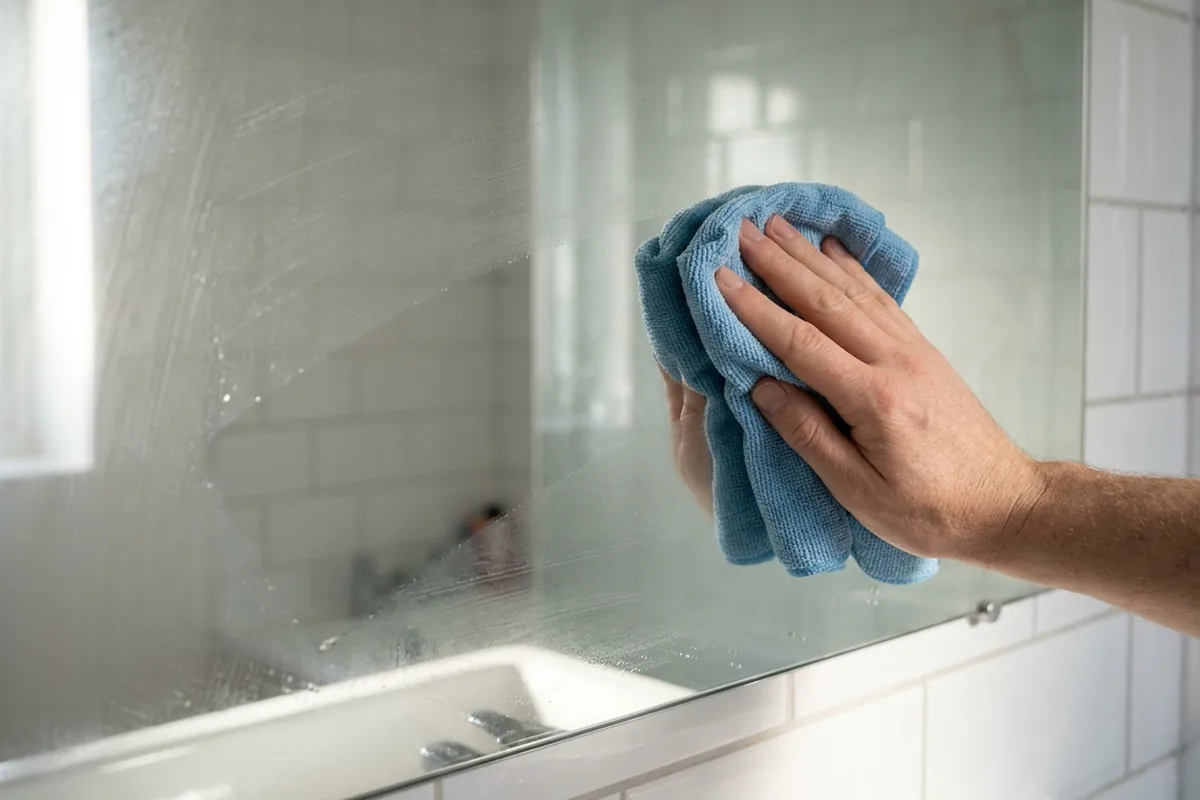
Start at the top and work down in horizontal or vertical lines, slightly overlapping each pass. Pay attention to toothpaste dots and fingerprint patches around eye level and near the edges.
5. Buff immediately with a dry cloth
Take your second, completely dry microfibre and buff the glass, again working in neat lines. Any faint streaks usually vanish at this stage. If they do not, the cloth may be damp or dirty: swap for a fresh one.
This method works for most bathroom and hallway mirrors, mirrored wardrobes and dressing table mirrors.
When to use vinegar, washing‑up liquid or just water
You do not always need vinegar. Sometimes plain hot water on a microfibre cloth is enough, especially for a bedroom mirror that only has light dust and fingerprints.
Here is a quick guide to which simple product mix suits which mirror mess:
| Mirror situation | Best simple mix | Limit or warning |
|---|---|---|
| Light dust, fingerprints | Warm water only | Dry thoroughly to avoid water marks |
| Bathroom steam marks, toothpaste | Water + white vinegar | Avoid soaking edges or backing |
| Grease, hairspray near sink | Water + vinegar + tiny washing-up liquid | Too much soap leaves film and streaks |
| Old cloudy film that will not shift | Water + vinegar, repeated light cleans | Could be damaged backing, not dirt |
| Mirrors near natural stone tiles | Damp microfibre, minimal vinegar | Do not drip vinegar onto stone |
Vinegar is usually safe on glass, but it can damage natural stone, some tiles and corroded metal frames. If your bathroom mirror sits directly above a stone vanity or tiled window board, spray the cloth away from the surface and wring it slightly so nothing drips.
If you dislike the vinegar smell, it usually disappears once dry. Keeping the bathroom window cracked open or the extractor fan running helps it clear faster.
Small tweaks that prevent streaks coming back
Once you have the basic method, a few small habits keep mirrors clearer for longer and stop that dull film returning after every shower.
Use the right cloths and keep them clean
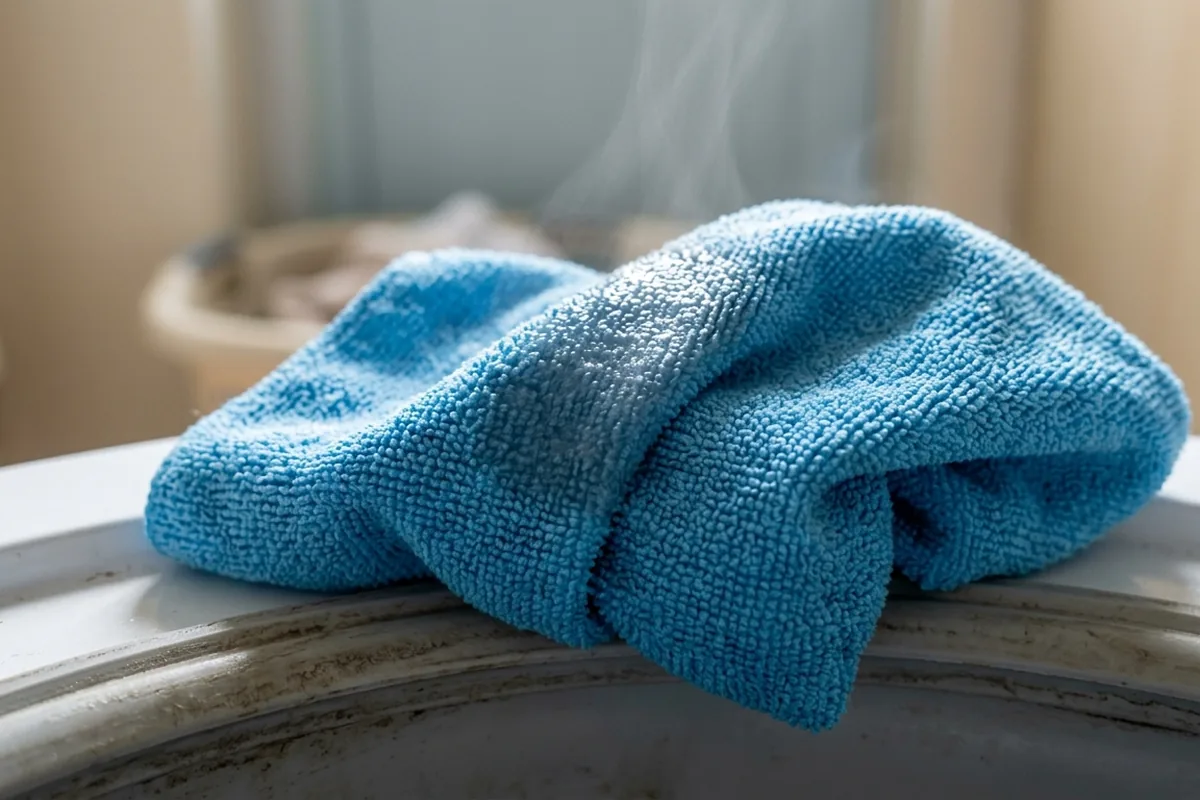
Microfibre is best because it grabs grease without scratching. Old T‑shirts and fluffy towels often shed lint, which catches the light as streaks. Wash microfibres without fabric softener, as softener can leave a film that transfers back to the mirror.
Control steam in small bathrooms
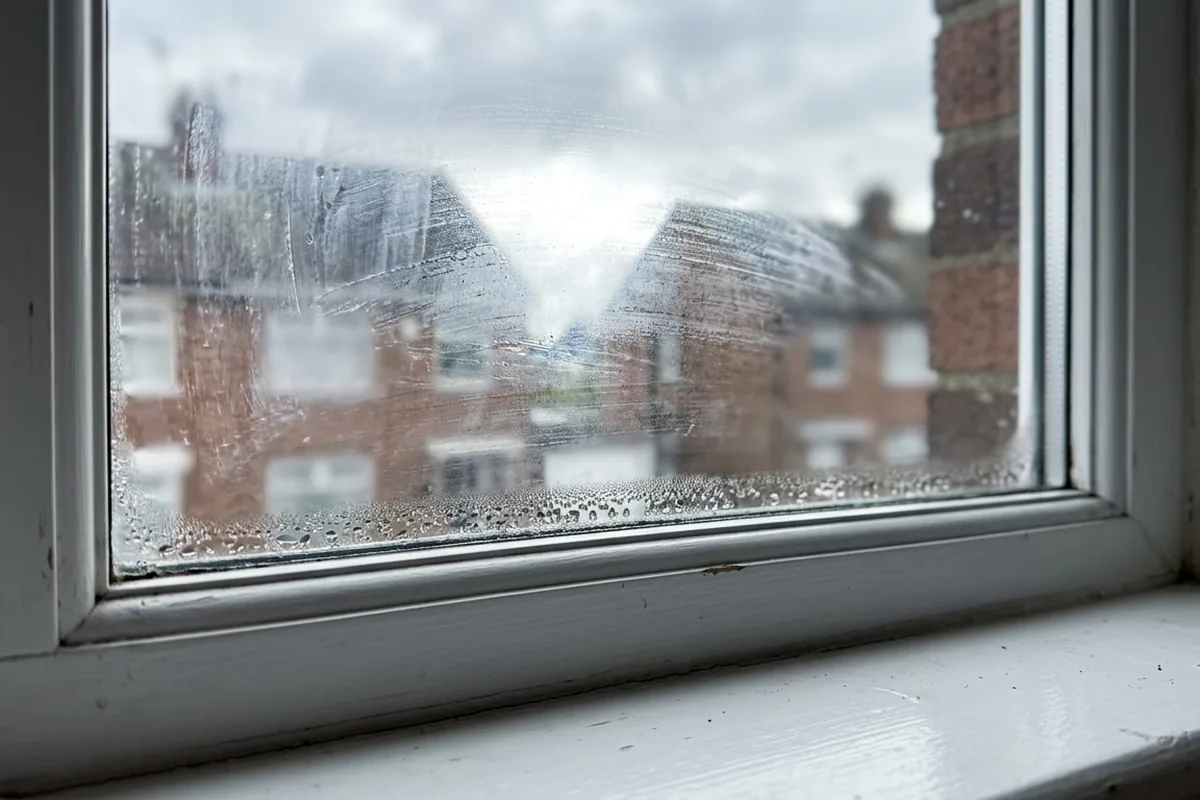
Heavy condensation on the mirror in a UK winter morning often leaves tide marks. Use the bathroom extractor fan, crack a window if you can and squeegee or wipe the mirror dry after a very steamy shower. Less water drying on the glass means fewer mineral marks.
Deal with splashes quickly
Fresh toothpaste spots and shaving foam come off with one wipe of a damp cloth. Left for weeks, they harden and need more scrubbing, which is when people over‑spray cleaner and end up with streaks.
Watch for damage, not just dirt
If you keep cleaning the same cloudy patch and it never clears, especially around the edges, the silver backing may be deteriorating. Cleaning will not fix that, and scrubbing harder can make it look worse. In rented flats or older houses, this is common on mirrors that have had years of damp. At that point, a replacement mirror or new glass is the only real cure.
If your next bathroom clean leaves the mirror clear with just a quick damp‑and‑buff routine, you have the balance right: light product, good airflow and clean cloths doing most of the work.