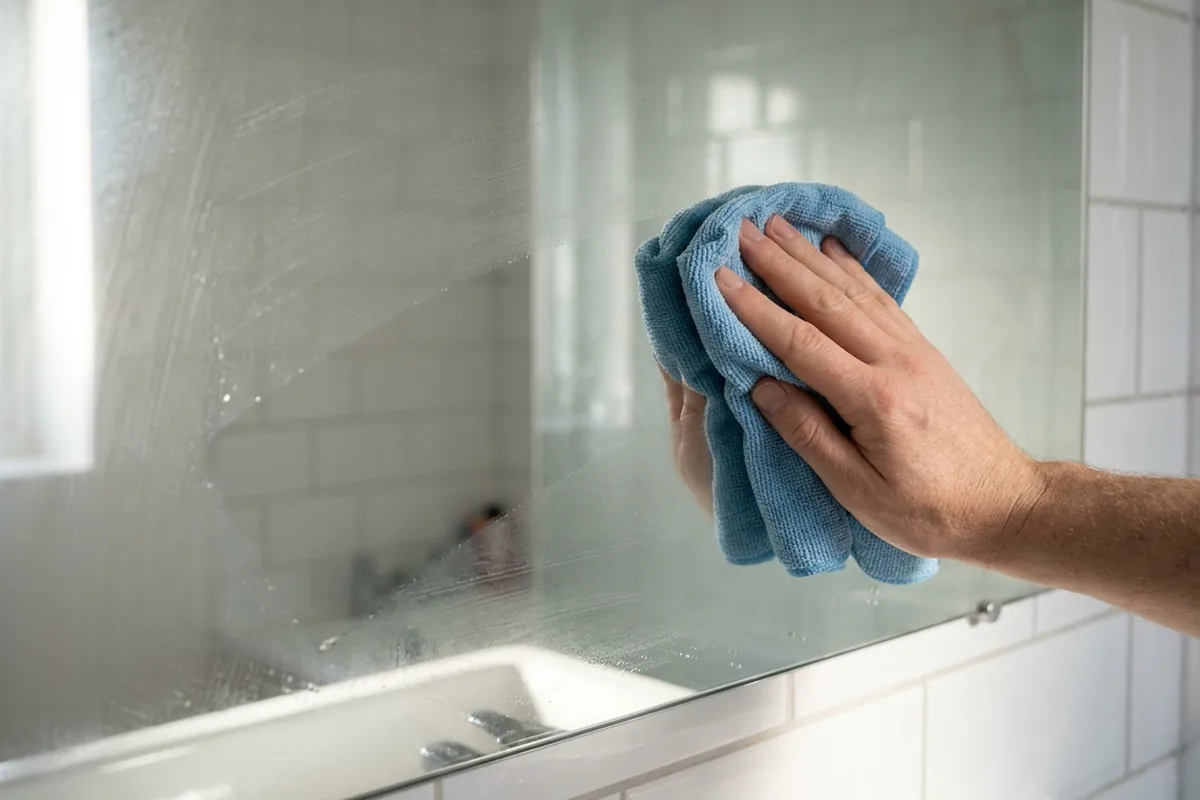
That tiny squirt in the bucket seems harmless when you are cleaning the patio doors or bedroom windows. Washing-up liquid is cheap, already by the sink and it cuts through grease, so it feels like the obvious choice. The snag is that it often leaves a filmy residue on the glass and around the frames. That residue can attract dirt, smear in sunlight, make condensation marks worse and, in some cases, slowly dry out or mark window seals and paint. For clear, streak‑free glass that stays clean longer, a simple water and vinegar mix or a proper glass cleaner is usually safer than washing-up liquid.
Why washing-up liquid causes trouble on glass and frames
Washing-up liquid is designed for plates and pans, not for large cold panes of glass. It contains surfactants, fragrances and sometimes colour that are meant to rinse away completely with plenty of hot water.
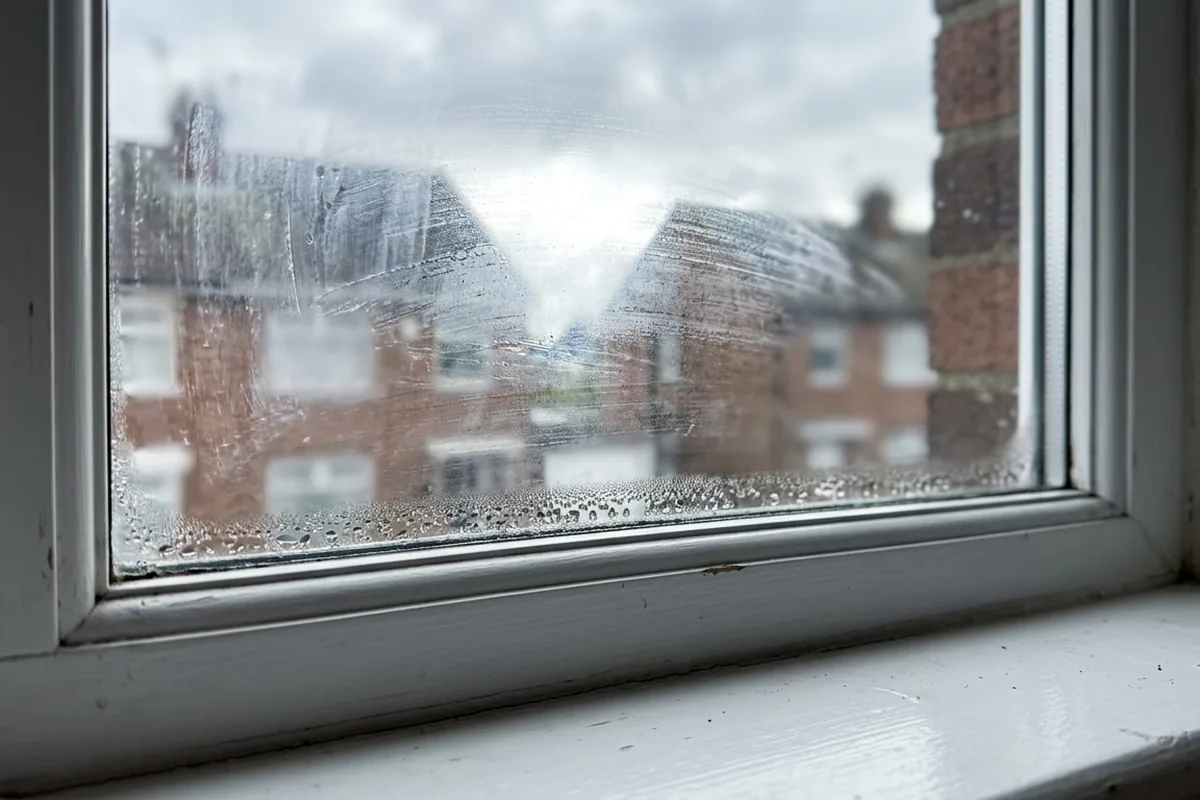
On windows, especially if you are using a bowl and sponge in a living room or upstairs bedroom, you rarely rinse as thoroughly. A thin soapy film is left behind. At first the glass looks clean, but as it dries you may notice:
- Streaks and smears when the sun hits the glass
- Dust and traffic film sticking faster to the pane
- Greasy-looking patches where condensation has run
If you use a strong mix, that same residue can sit on uPVC frames, rubber seals and silicone sealant. Over time this may:
- Dull the look of white uPVC
- Leave tacky patches that grab dirt
- Slightly dry out older rubber seals, especially on south-facing windows that get a lot of sun
It is not instant damage, but repeated heavy use of washing-up liquid is simply harsher on materials than it needs to be.
When it makes other window problems worse
If you already have issues like condensation, mouldy seals or peeling paint on the window board, washing-up liquid can quietly add to the mess.
On many UK windows, especially in small bedrooms and bathrooms, you might already be dealing with:
- Regular morning condensation on the inside of the glass
- Black mould specks in the silicone or on the rubber gasket
- Flaky paint on the sill or skirting just below the window
Using washing-up liquid on these areas can cause a few knock-on problems.
If you get a lot of condensation
When condensation runs down the glass, it drags any leftover soap film with it. That can leave:
- Tide marks and streaks that are hard to buff out
- Sticky tracks where dust and pollen settle and form grey lines
Because the glass looks dirty again so quickly, you are tempted to wash it more often, adding yet more detergent. It turns into a cycle of over-cleaning with the wrong product, not fixing the moisture problem.
If your frames or sill are already tired
On older timber windows or painted window boards in a terraced house or flat:
- Too much detergent and water can soften old paint and make it peel sooner
- Residue sitting in corners where the frame meets the glass can trap moisture and fine dirt, encouraging little mould spots in colder weather
It is not as dramatic as a leak, but it does mean more touching up and more scrubbing later on.
Better ways to clean windows without storing up problems
You do not need a long list of products to keep glass clear and frames tidy. The key is low-residue cleaners and good technique, not a stronger soap.
For most indoor windows, a simple approach works well:
- Mix warm water with a splash of white vinegar (about a mug of vinegar in a bucket) for the main clean. Avoid vinegar on natural stone sills.
- Use a soft cloth or sponge to wash the glass, then a window squeegee to pull the water off from top to bottom.
- Buff the edges and any missed spots with a dry microfibre cloth.
This leaves almost nothing on the glass, so dirt has less to cling to and sunlight shows fewer streaks.
If you prefer a shop-bought option, a basic glass cleaner spray from somewhere like B&Q or the supermarket is designed to evaporate cleanly without leaving a film. Spray lightly, wipe with kitchen roll or microfibre, and avoid flooding the frame.
A few extra checks help avoid new problems while you clean:
- Do not soak the frame: especially on older wooden or poorly sealed uPVC windows. Wring out the cloth rather than dripping water into joints.
- Avoid strong detergent on seals: if the rubber or silicone is grimy, use mild soapy water once, rinse with plain water and dry thoroughly, rather than scrubbing repeatedly with neat washing-up liquid.
- Ventilate while cleaning: open a window or trickle vent so moisture does not just sit on the glass and nearby walls.
If you already have persistent mould, damp skirting boards below the window, or water staining that never fully dries, that points to a bigger moisture or leak issue rather than a cleaning product problem. In those cases, cut right back on detergents, keep cleaning very light and consider getting proper damp advice before repainting or resealing.
A simple rule of thumb: if your windows look smeary in sunlight even after a lot of polishing, the glass probably has a detergent film. Switch to a low-residue method for a couple of cleans and see if the smears improve. If they do, keep the washing-up liquid in the sink, not the window bucket.