That gritty black line along your uPVC window tracks, with bits of dead insects and grey sludge, is usually a mix of dust, grease and a bit of mould. Bicarbonate of soda works well here, but only if you use it as a gentle scrub, not a magic sprinkle-and-walk-away. The key is to loosen the grime first, use just enough moisture to activate the bicarb, and avoid flooding the frame so water does not creep into the wall or down onto the window board.
The right way to clean window tracks with bicarbonate of soda
You are dealing with a narrow channel where dirt, condensation and draughts all meet, so a little prep makes the bicarb much more effective.
1. Dry-vacuum and scrape first
Use the crevice tool on a vacuum or a hand vac to remove loose grit, dead flies and cobwebs. For stuck-on bits, run a blunt butter knife or old bank card wrapped in kitchen roll along the track to lift the worst of it. This stops the bicarb turning into muddy paste.
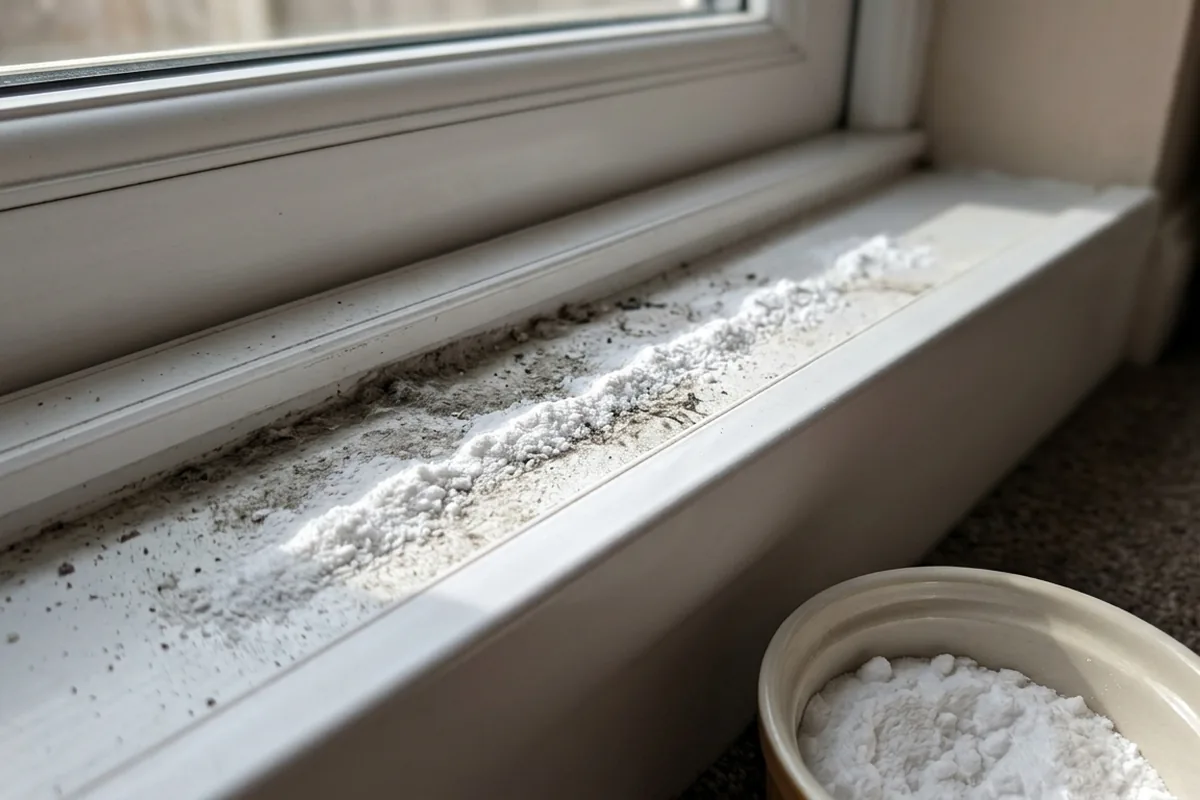
2. Lay down the bicarbonate of soda
Sprinkle a light, even dusting of bicarbonate of soda along the track, focusing on dark, sticky patches and corners where mould tends to sit. You only need a thin layer; too much just clogs up.
3. Add controlled moisture, not a soak
Fill a spray bottle with warm water and a tiny drop of washing-up liquid. Lightly mist the track so the bicarb becomes a damp paste, not a puddle. If you do not have a sprayer, dip an old toothbrush in the solution and tap off the excess before scrubbing.
4. Scrub into all the corners
Use a toothbrush, small detailing brush or a cotton bud for tight areas. Work the paste into the edges and around any screw heads or drainage slots. Take care not to block drainage holes; these are there to let rainwater out, not hold sludge.
5. Wipe and rinse carefully
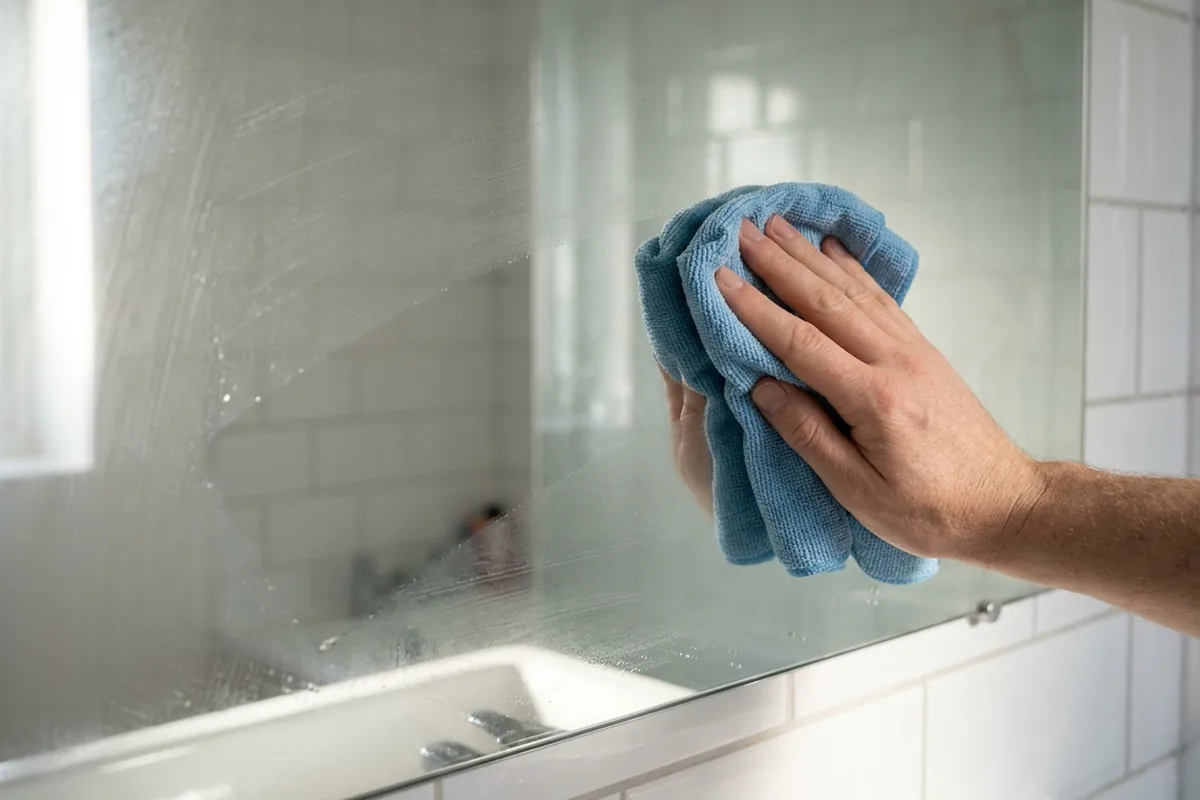
Scoop out the dirty paste with folded kitchen roll or a microfibre cloth. Then wipe again with a clean cloth dampened in warm water to remove any remaining residue. Avoid pouring water along the track; always bring a damp cloth to the frame, not the other way round.
6. Dry the track thoroughly
Run a dry microfibre or an old towel along the track until it feels dry to the touch. This helps prevent new mould and stops water sitting against the frame, especially on bedroom windows that already get condensation.
Used this way, bicarbonate of soda is a mild abrasive cleaner, not a heavy chemical. It will not bleach stained plastic, but it is excellent for lifting greasy dirt and light mould staining.
Where bicarbonate of soda helps, and where it does not
Bicarbonate of soda is safe for most modern uPVC and aluminium window frames and is gentle enough for regular cleaning. It is not, however, a miracle mould remover or stain eraser.
It is ideal for:
- Regular maintenance cleans of tracks that are grimy rather than heavily mouldy
- Neutralising light musty odours where water has sat in the track
- Loosening old washing-up liquid residue or general household dust and grease
It is less effective if:
- The plastic has yellowed or gone grey from age or UV; bicarb will not restore the original colour
- There is deep black mould that has stained the material; you may need a dedicated mould cleaner for the stain, used carefully and with good ventilation
- The track is painted timber; bicarb is still usable, but scrub very gently so you do not scuff soft paint or expose bare wood
If you do use a separate mould remover on stubborn black spots, never mix it with anything containing bleach and vinegar together, and always rinse the area before going back in with bicarbonate of soda or washing-up liquid. Follow the product label, open the window for airflow and wear gloves if your skin is sensitive.
For older timber windows in a draughty terraced house, check whether the paint is flaking or the wood feels soft. If it does, keep water to a minimum and avoid aggressive scrubbing; the priority there is to avoid driving moisture into damaged wood, and you may need a joiner or decorator if rot is present.
Simple habits to keep window tracks cleaner for longer
Once you have done the main clean, a few small habits will make it much easier next time and help with condensation and odours as well.
A quick routine that usually works in UK homes:
- After a wet, windy spell, have a look at the bottom tracks of patio doors and bedroom windows. A 30‑second vacuum with the crevice tool stops grit building into sludge.
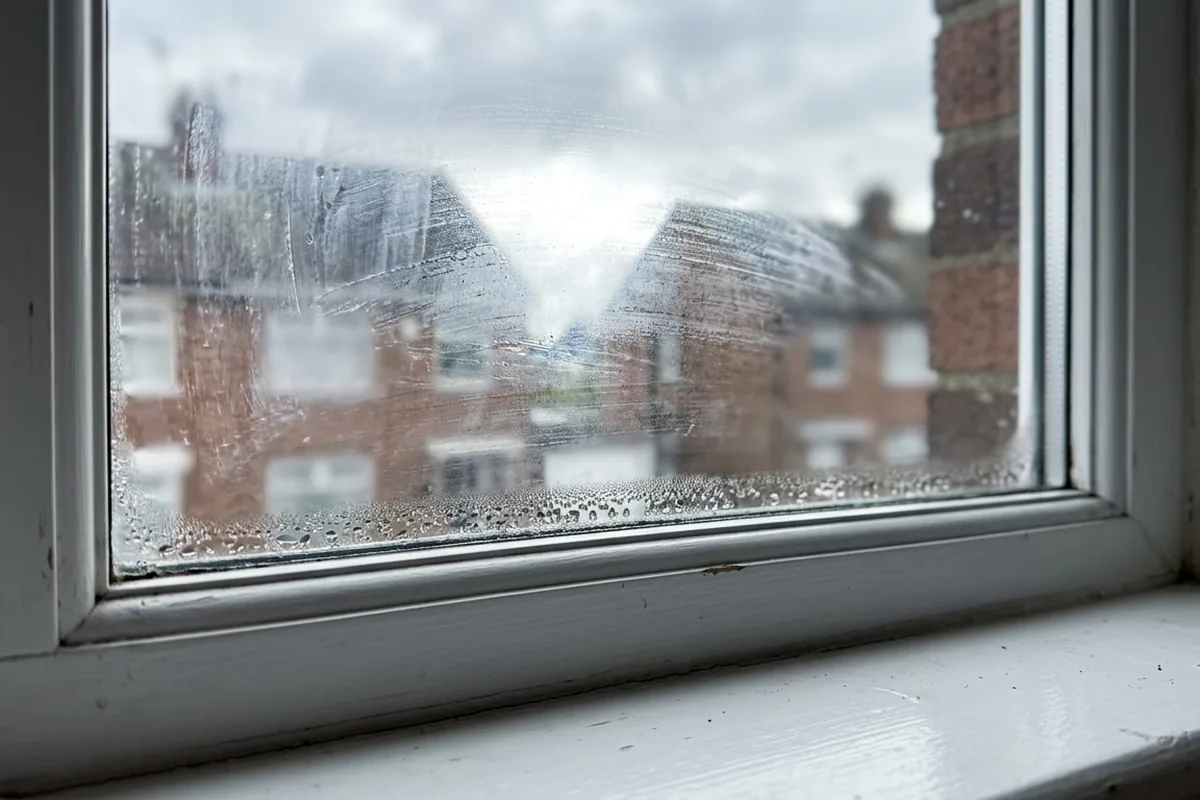
- When you are wiping down condensation from glass on cold mornings, run the cloth along the track too. Removing that little line of water stops it mixing with dust and forming slime.
- Check that drainage slots on the outside of the frame are not blocked with spider webs or debris. If water cannot escape, it will sit inside the track and encourage mould.
- Every few months, repeat a light bicarbonate of soda scrub on any windows that tend to be left slightly open for ventilation, as they gather more outdoor dust.
If you notice the track staying wet even in dry weather, or damp patches appearing on the wall below the window board, that points to a wider damp or sealing issue rather than just dirty tracks. In that case, keep your cleaning gentle and look at ventilation, trickle vents and, if needed, professional advice on the window seals or surrounding plaster.
A clean, dry track should feel smooth under your fingertip, with no gritty line when you slide the window. Once you reach that point, a small pot of bicarbonate of soda under the sink and a spare toothbrush in your cleaning caddy are usually all you need to keep on top of it.